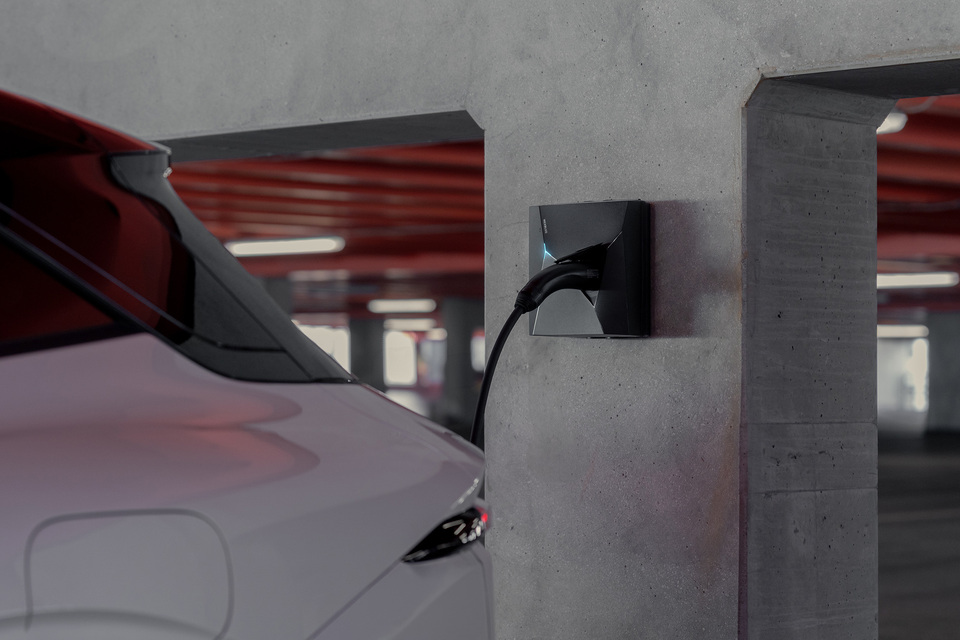
Future-ready, backed by real testing
Plug in a car and the expectation is straightforward: charge the battery, then drive away. But that connection is becoming more useful. It can let a vehicle authorise its own charging session. With compatible bidirectional systems, it can also let a parked car supply energy to a home or the grid.
The cable still looks familiar. What happens behind it is changing.
For the companies building that future, the challenge is making the whole connection work. At NexBlue, we have demonstrated AC Plug & Charge with real vehicles and Monta, becoming the first hardware manufacturer publicly listed for AC Plug & Charge on its platform. The work behind that milestone shows what a simpler charging experience asks of the technology.
Explore what we have tested, what we have learned, and how this work is moving us towards V2X.

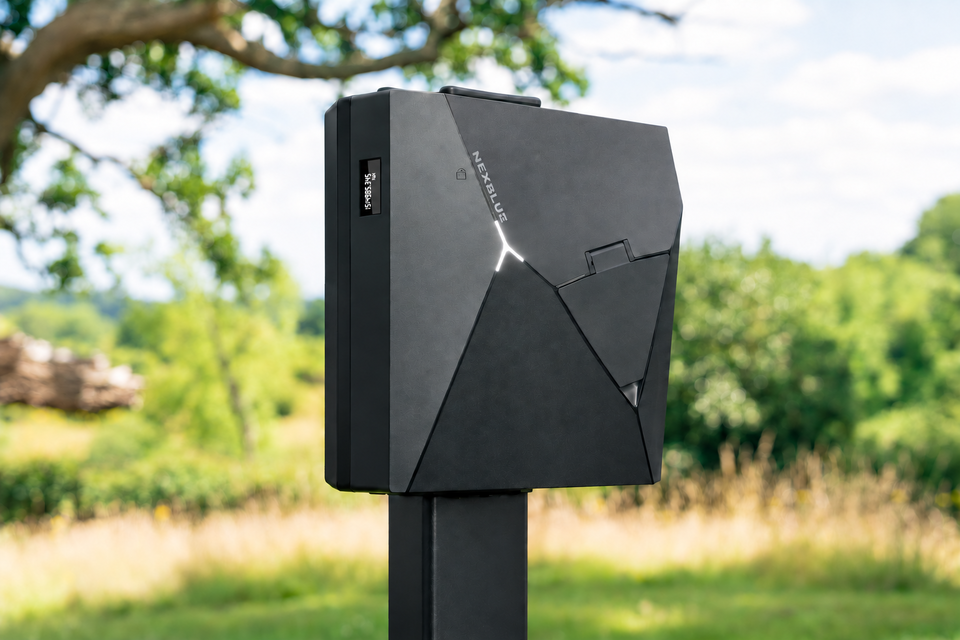
A shared language between car and charger
Before energy starts moving, the vehicle and charger need to agree on what can happen. ISO 15118 provides the shared digital language for that exchange.
One result is Plug & Charge. In a compatible setup, the vehicle presents a digital contract certificate and the charging system authorises the session automatically. The driver can plug in without reaching for a card or app once it is configured.
ISO 15118-20 extends that conversation to support power flowing in both directions. It provides part of the foundation for using a vehicle’s battery beyond driving.
The standard is only the beginning
The digital dialogue has to coexist with the conventional communication used by other vehicles. The charger needs to recognise what the car supports and respond accordingly. Handling both modes is a significant part of making AC Plug & Charge work.
Vehicle implementations also differ, and a software update can introduce new behaviour. For an operator expecting charging to start automatically, a failed exchange means that experience breaks down.
Consider a site that needs to reduce the power available during charging. The vehicle and charger need to stay in step as the limit changes. For a partner integrating the system, how it responds to that change matters as much as how it starts a session.
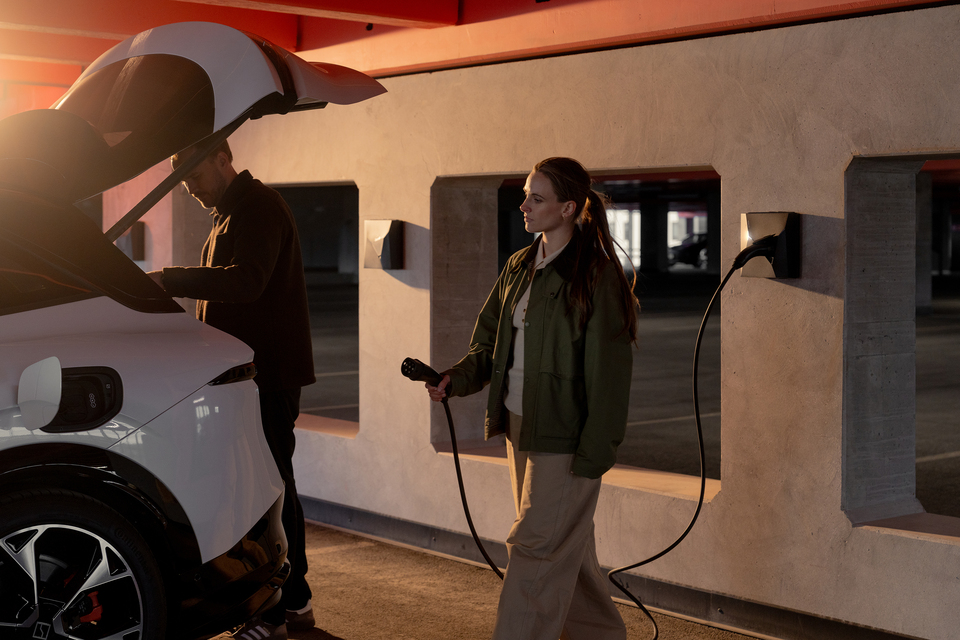
“…together we built something that changes how drivers experience AC charging.”
Casper Rasmussen | CEO, Monta


Keeping the engineers close to the challenge
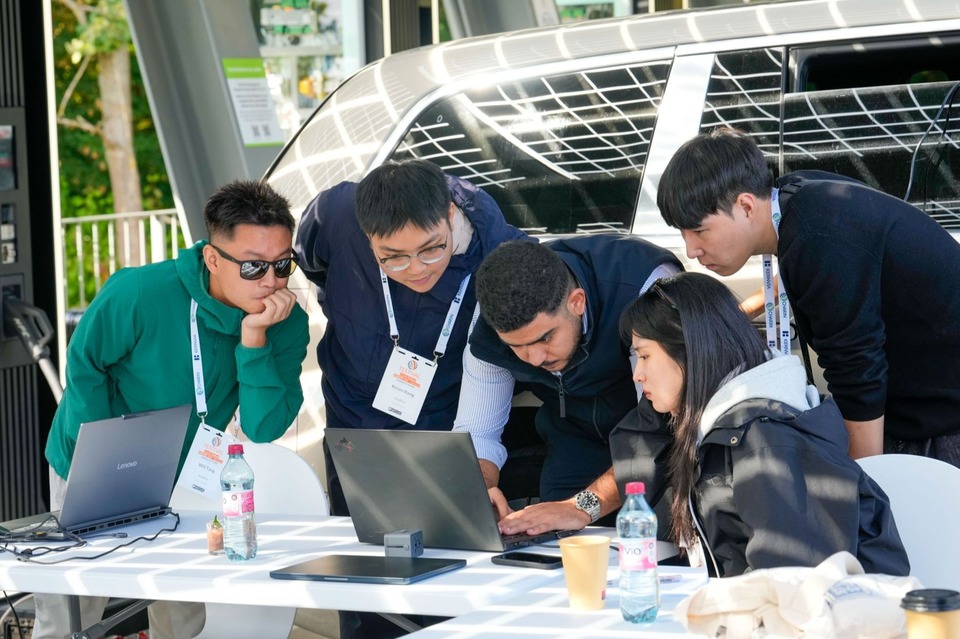
We develop our core communication hardware and ISO 15118 software in-house. During joint OEM tests, our engineers have investigated issues, changed code or configuration and retested on site.
Teams could resolve problems and continue in the same session. For a partner, that means working directly with the people who can investigate the connection and improve it.
What the testing establishes
Different tests reveal different parts of the connection.
At TÜV Rheinland, we completed protocol testing for ISO 15118-2 and ISO 15118-20. At ElaadNL, we demonstrated approximately 19 kW of reverse power flow using a Keysight vehicle emulator, limited by the emulator’s capacity. These establish tested communication and physical energy transfer in a laboratory setup.
A complete charging session brings authorisation and a backend platform into that connection. With Monta, we validated Plug & Charge using real vehicles, including the Volkswagen ID.3, with Hubject contract certificate handling.
The result brings the invisible exchange back to something a driver can recognise: connect the cable, and the system handles authorisation.
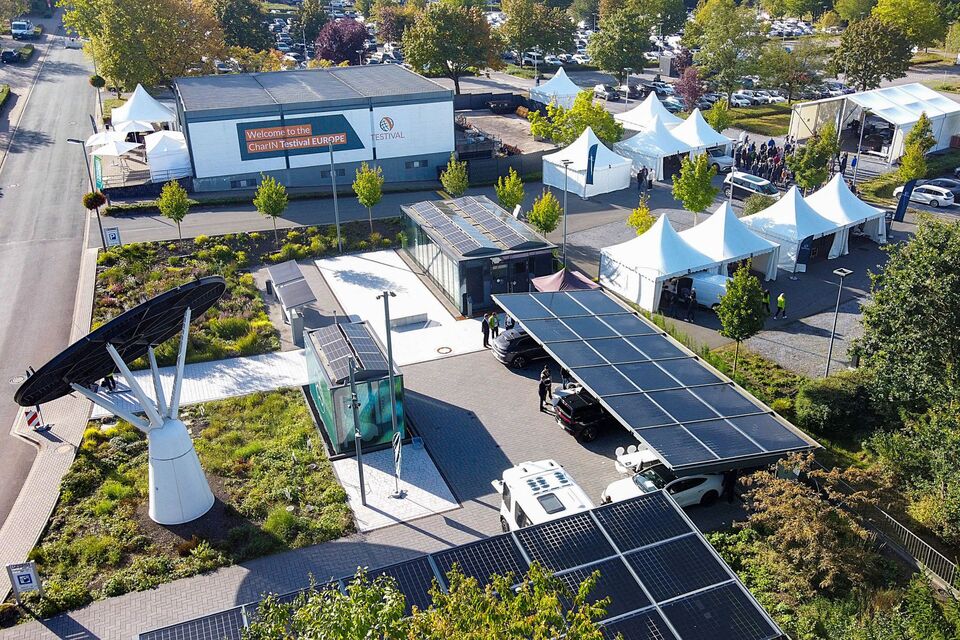
A connection that needs to keep working
Our wider ISO 15118 and V2X programme has involved engineers and vehicles from seven automotive manufacturers, within the functions available on each vehicle.
Commercial Vehicle-to-Grid also requires compatible vehicles, energy-system integration and local grid compliance. The emulator result is a laboratory milestone towards that deployment.
The value for a prospective partner is a clearer starting point. We can show the work completed so far and discuss what their particular integration needs to establish next.
A simpler start for everyday charging
Automatic authorisation already has a practical use for fleets. AutoCharge recognises a compatible, registered vehicle when it is connected, allowing subsequent sessions to start automatically.
AutoCharge uses a vehicle identifier. ISO 15118 Plug & Charge uses digital contract certificates. They are different approaches to removing a repeated task for the driver.
That is where the engineering becomes useful in everyday life: someone plugs in a car, and the charging system takes care of the next step.